

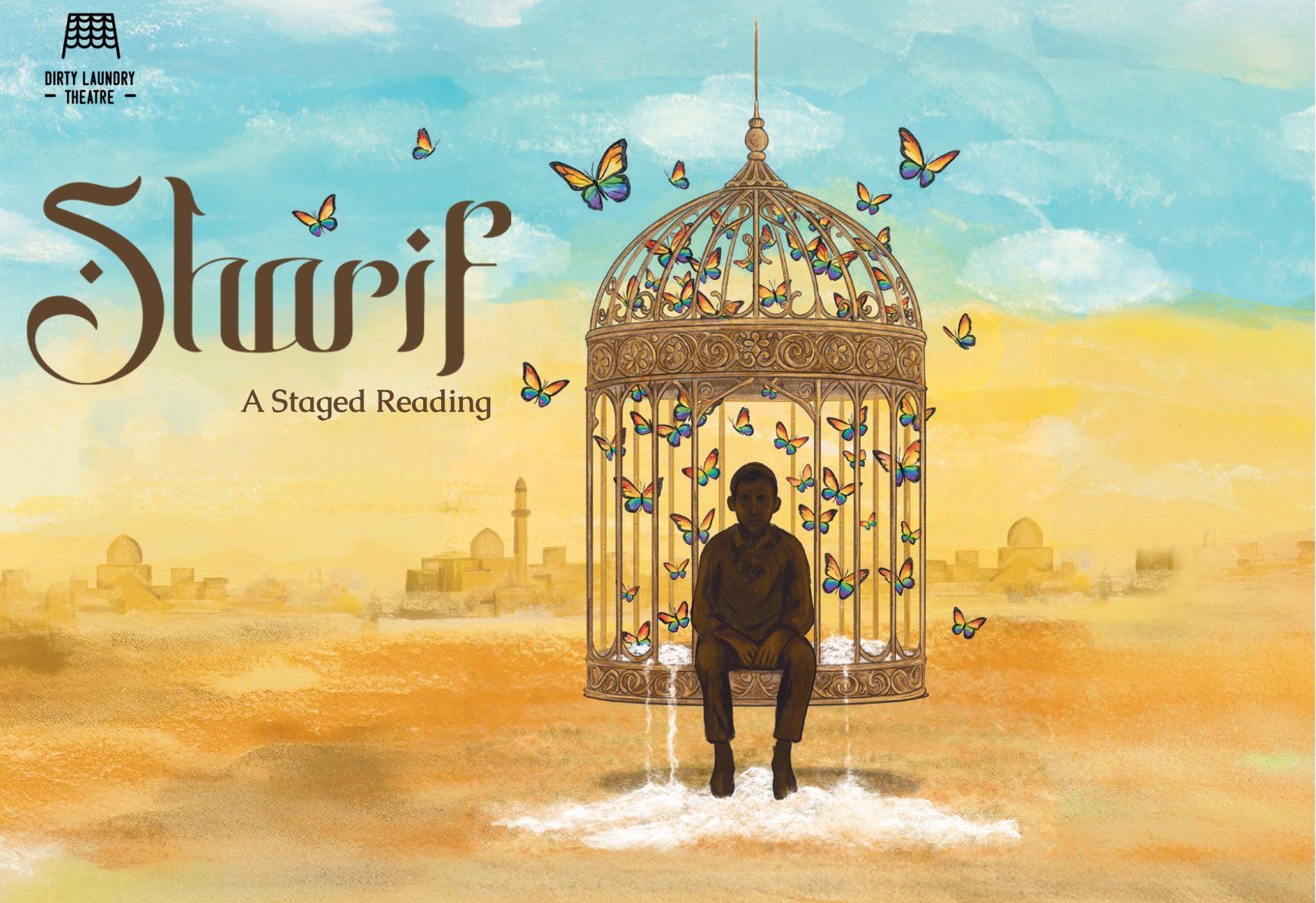
“I was born on the wrong side of the map, and the family, and the wrong orientation, a boy who loves boys….”
Sharif Nassar
Sharif is an 18-year-old man with dreams like any young man his age. The youngest among his family, he awaits the arrival of autumn when he hopes to go to university.
Beginning working in his father’s bakery in a village near Ramallah (in the West Bank), he meets his colleague Nour. And here: he discovers his true sexuality.
He also discovers the reality of being queer and Palestinian.
Interrogated, beaten by the police and hunted by his cousins, Sharif finds himself with no choice but to head to the border and seek asylum in Israel.
Unable to return home for fear of his life, he must navigate life as an asylum seeker in a country where increasing conflict has stirred suspicion and financial and legal battles leave Sharif longing for a stable, secure and safe home.
A story often drowned out amid the chaos of conflict, division and projecting narratives – where the rights of women and minority communities typically unheard and unmet – “Sharif” shows us another story.
Rather than being a story of the Israeli-Palestinian conflict, the play “Sharif” by playwright Tomer Aldubi, highlights the plight of queer Palestinians in the West Bank and the challenges that queer Palestinians seek in requesting asylum in Israel.
Centred in an area drowned in conflict, division, violence and hate, Sharif offers an opportunity to look at the lives of queer Palestinians in their own right. As people deserving of a life free of fear of violence, of stigma and shame (as with all Israelis and Palestinians).
This play – based on on-the-ground experience of working with Palestinians, Israelis and Arab Israelis affected and working in the voluntary and legal sectors on this issue – calls viewers to listen, to empathise, to humanise.
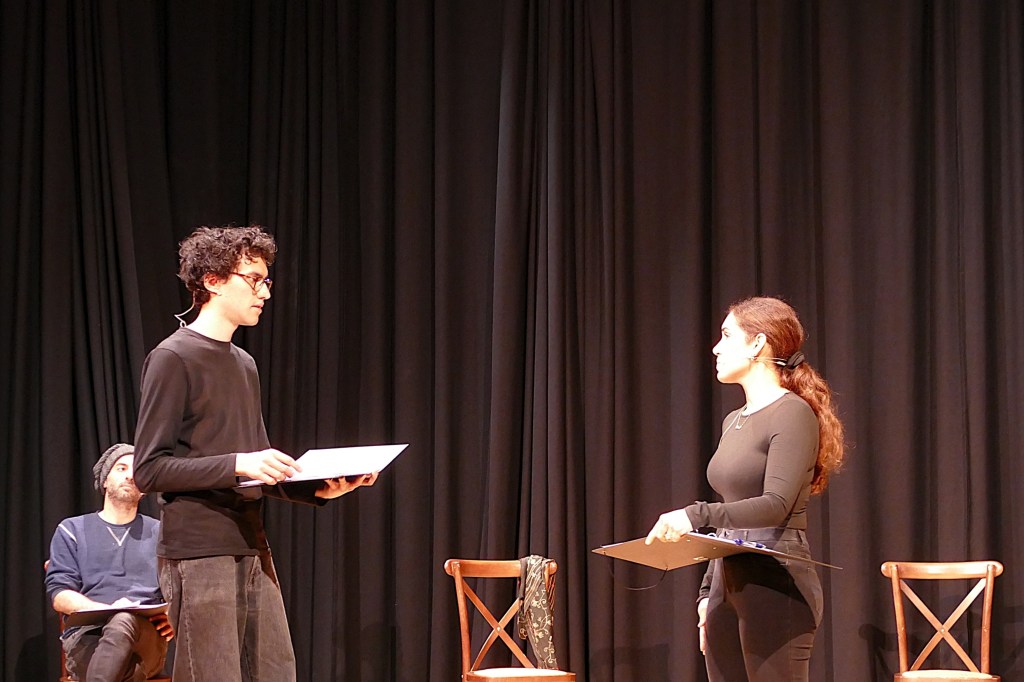
Sharif is a queer man. A Palestinian queer man. Yet how often do we hear of the struggles of women, affected minorities and communities, without the call of “pinkwashing” or re-direction back to the narratives and ins-and-outs of the conflict?
This play, in 80 minutes, offers you a true insight into the challenges, realities and complexities of this issue. It calls on you to see Sharif and his plight first, and the conflict second.
Undoubtedly affected by the ongoing conflict, what this play does is it asks you to see a man, a young man who simply wants to love his lover, his family and his land, without contradiction.
For those who are willing to put prejudice aside, I cannot recommend this play enough.
Sharif’s story brought me to tears. And, the Q+A afterwards with the audience sadly brought me to disillusion.
Tomer Aldubi – a young Israeli playwright – has poured his heart, soul and energy into this work. To then be questioned: “Do you care about Palestinians who aren’t queer?” highlights just why this work is so important.
This is the stark remember of why Tomer is doing this work: to raise awareness, to build bridges, to open dialogue. Because in what world should a playwright who has given their time, energy, passion and commitment face such stark (oblivious) racism? Simply for being Israeli…
If you care about queer rights: watch the play.
If you care about building bridges across divides: watch the play.
If you care about forcing people to “listen” to you over the reality of lived and real experiences, then please don’t come to heckle the production team.
Dialogue is a two-way process. Division, hatred and hysteria; they’re not what Sharif wanted, what Tomer Aldubi wants or what this writer wants.
Thank you Tomer for your courage, commitment and bravery.
More information:
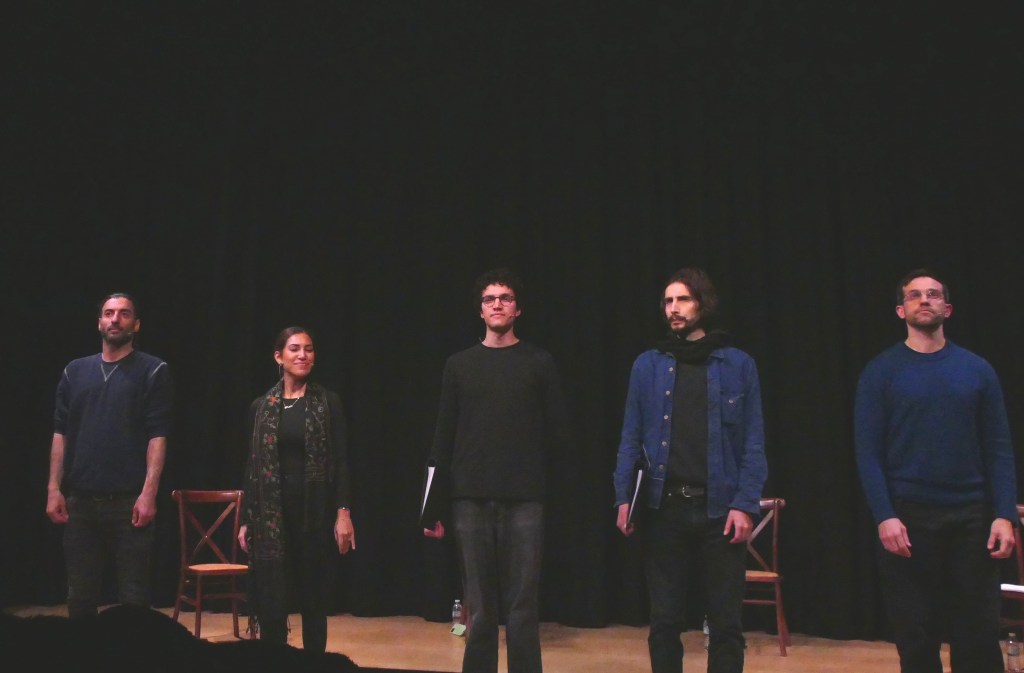
About the play
Sharif شريف is a moving drama about the precarious lives of LGBTQ+ Palestinians, written by Tomer Aldubi.
Sharif was forced to flee the West Bank as a teen, after his sexual identity has been publicly exposed and his life put in danger. Since then, he’s been trying to survive in Israel, a foreign land, completely alone. Barely speaking the language and guided by the memory of his secret lover Nour, whom he left behind, he tries to secure a stay permit on the grounds of welfare.
Sharif شري ف is an emotional account of the challenging life of the queer Arab community amidst constant threat, neglect, and sometimes hope, which is rarely, if ever, presented on stage. The play represents the real-life struggles that LGBTQ+ Palestinians face, and it was written based on thorough research and testimonials that were collected by its playwright.
Productions
Sharif was first performed at Haifa Theatre and the Arab-Hebrew theatre in Jaffa in Israel in June 2022. The international version of Sharif, translated from Hebrew by Shir Freibach, was presented as staged readings at the Bridge House Theatre in London, United Kingdom, in June 2025, and at the BorderLight Festival in Cleveland, Ohio, United States, in July 2025.
The latest version of the play – adapted to the current climate in Israel and Palestinian Territories following the war and created with a Palestinian Dramaturg – was most recently performed in London at JW3 and the King’s Head Theatre.
About the playwright
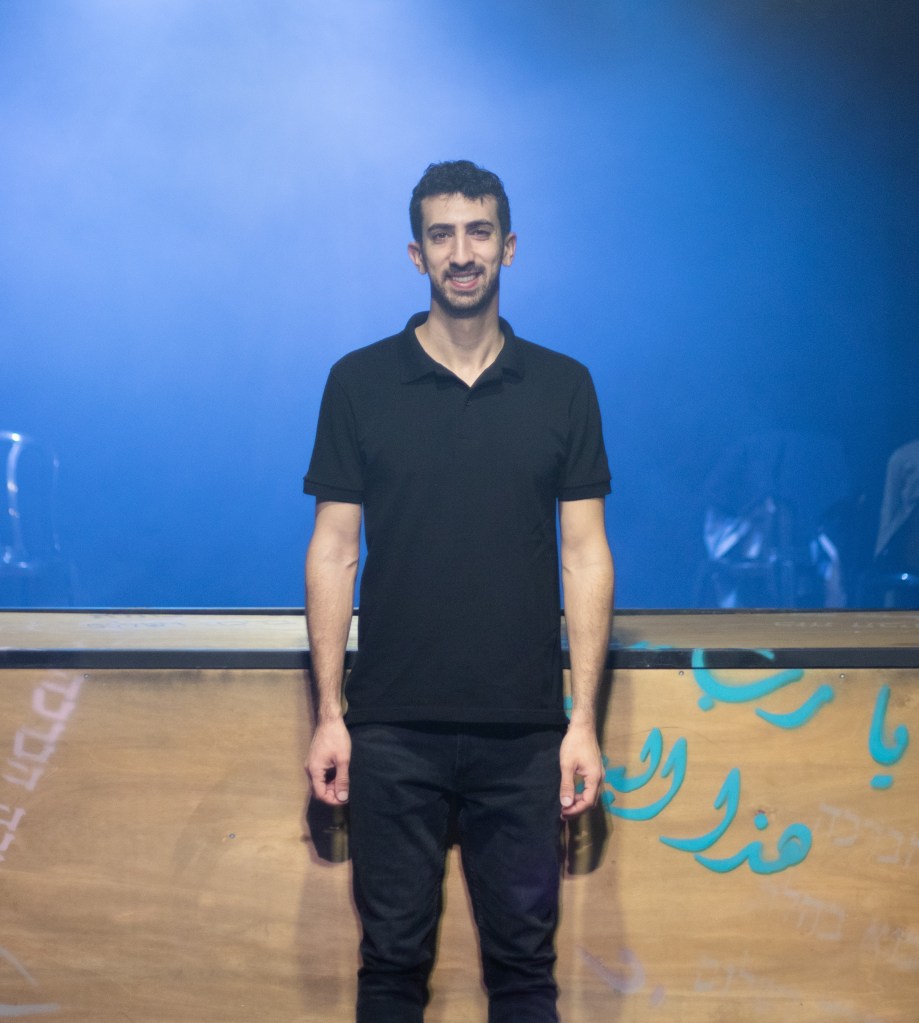
Tomer Aldubi is a queer Israeli journalist, playwright, and theatre director.
In the past three years, He’s been working as a freelance journalist for the news media website Mako since 2014, where he had published hundreds of articles and interviews about various LGBTQ+ issues.
It is through his journalism practice that he was first introduced to the situation of queer Palestinians in 2020 and was one of the first-ever journalists to publish articles and interviews about the community.
His knowledge on the issue has been deepened through his volunteer work over a five-year period with The Different House – البيت المختلف , an Israeli non-governmental organisation dedicated to empowering and assisting Arab LGBTQ+ people in Israel and in the Occupied Territories.
To find out more, or to get in touch with Tomer, please visit his website.

 Voice of Salam